
Manufacturers
Manufacturers in the medical field play a crucial role by making medicines taken to treat a wide range of conditions. From researching the market to developing and producing medicines on a large scale, the pharmaceutical companies are responsible for maintaining the quality standards, safety, and effectiveness. In the case of the medicines that are stimulants such as attention-deficit hyperactivity disorder (ADHD), multiple manufacturers make both the brand and generic name versions of the same drug to improve accessibility of healthcare and also ensure patients become hale and hearty.
What is the role of pharmaceutical manufacturers?
Pharmaceutical manufacturers’ task is to develop and produce medicines whose intake is safe or not is determined by them. This process involves various stages, including:
- Research and growth of active substances.
- Clinical testing to examine safety and effectiveness.
- Regulatory permission from agencies like the FDA.
- Large-scale creation in controlled conditions.
Strict regulatory guidelines are there to ensure medications meet regular quality standards. Manufacturers must meet the standards set by Good Manufacturing Practices (GMP). It includes thorough testing, quality control, and paperwork at every stage of production.
Brand-name vs. Generic Manufacturers
One of the most important distinctions pharmaceutical manufacturers need to know is between brand name and generic medicines. Brand name drugs are generally made and marketed by those holding the original patent. Once the patent expires, different manufacturers produce different generic versions of the same medicine.
Generic medicines contain similar active ingredients and must meet the standards of safety and effectiveness as their brand name versions. However, their inactive ingredients, like fillers or coloring agents, might differ.
Several pharmaceutical companies are in the production of stimulant medicines. Large multinational companies associate themselves with brand name drugs, while several manufacturers involve themselves in increasing the supply of generic medicines and reducing their cost.
Leading manufacturers in the industry
The medical field contains both large businesses and manufacturers who specially make generic medicines. Some of those who contribute to the manufacturing of stimulant medications are:
- Large corporations that create and generate brand name drugs.
- Manufacturers who develop generic drugs after the patent of their brand name versions expire.
- Manufacturing companies that are under contract for production and distribution.
Teva Pharmaceuticals and Takeda Pharmaceutical Company have contributed immensely in creation and research of stimulant drugs. Generic manufacturers like Sandoz, Aurobindo Pharma, and Amneal Pharmaceuticals create the alternative of brand name drugs to increase their availability.
The manufacturers work in a controlled environment to ensure all of their products match the high standards of quality and safety requirements.
The Significance of Quality Control
In terms of the manufacturing of brand name and generic drugs, quality control is one of the primary components. Each medicine should be tested to ensure that it contains the correct quantity of active ingredients and meets purity standards. The criteria includes:
- Checking the consistency of ingredients.
- Contamination testing.
- Maintain the appropriate dosage level.
- Tracking stability and the drug’s shelf life.
Regulatory bodies carry out inspection and audits to see if manufacturers conformed to the required criteria.
Consistency is particularly crucial in the manufacturing of drugs impacting the central nervous system because even small changes made in the drug can affect its impact on patients.
Why do patients care about different manufacturers?
Although generic medications are technically equivalent to their brand name medicines, some patients may experience a difference between their manufacturers. These differences may also lead to a variability in their inactive ingredients or how the medicine is formulated and absorbed.
While all versions carry the same active ingredients, tablet compositions or the mechanisms of them being released into the bloodstream can influence how the patient gets impacted after taking the drug.
That’s why some health experts take manufacturers into consideration when suggesting medicines or distributing them. Patients whom the drug may not have impacted as much as it did to others may consult a health expert for support.
Availability and Supply Chains
Manufacturers in the medical field are also responsible for maintaining a steady supply of medicines. However, supply networks can sometimes cause an impact on their availability, and the factors that may hinder production include:
- An increase in demand for some medicines.
- Decrease in the availability of raw materials.
- Delays in manufacturing or issues caused due to the administration.
In recent years, stimulant medicines have not been found in abundance, which implies the importance of a trustworthy manufacturing network. When there is a delay caused by one manufacturer, others may step in, but supply will still remain affected.
Understanding the deep impact of manufacturers in the medical field can help patients and health experts tackle the challenges effectively.
Regulatory Monitoring and Adherence
Manufacturing medicines is one of the most controlled industries. Administrative agencies keep a watch on every stage of the process, from initial development to what happens when the medicine reaches the market. Their objectives are:
- Approve new drugs and formulations.
- Examining production facilities.
- Keeping an eye on negative incidents and reports concerning safety.
- Making sure that production standards are followed.
These guidelines are made to ensure the safety of public health and medicines remain safe and effective as long they are in production or use.
Manufacturers must also maintain records and have to go through consistent inspections to ensure that they follow the law. The high-level supervision ensures that patients obtain high-quality drugs and contribute to the protection of the trust people have in the healthcare system.
The Future of the Manufacturing Industry in the Medical Field
As the medical field evolves and so does the pharmaceutical manufacturing industry, coupled with rapid advancements in technology and production methods. Automatic manufacturing, improvement in quality testing, and customized medicine are building the future of drug production.
Manufacturers are also working towards the development of new formulations and delivery methods to better patient outcomes. Extended-release medicines are made to provide more consistent effects so that the patient doesn’t need to take multiple doses.
Manufacturers around the world are collaborating and administrative bodies consist of helping in improving the supply chain resilience and deal with problems like the shortage of medicines.
Conclusion
Pharmaceutical manufacturers are the foundation of modern healthcare, ensuring the safe production of medicines, the production’s consistency, and at a large scale. From those who make brand name drugs to their generic version counterparts, each manufacturer plays a vital role in making treatment accessible without any barriers.
The responsibility of manufacturers goes beyond production because their role also involves quality control, regulatory compliance, and supply chain management. While different manufacturers may work differently, strict regulations guarantee that all the drugs allowed for intake fulfill the required criteria of effectiveness and safety.
Gaining an understanding of the role manufacturers play can help one understand how drugs are created, manufactured, and dispensed. It also emphasizes how crucial a cooperative and well-regulated pharmaceutical sector is to promote public health and patient care.
Product Category
-
 Buy Ambien Online
 -
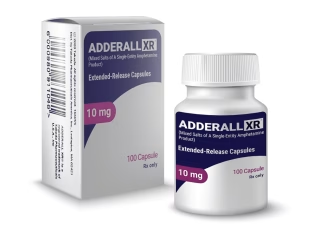 Buy Adderall Online
 -
 Buy Adipex Online
 -
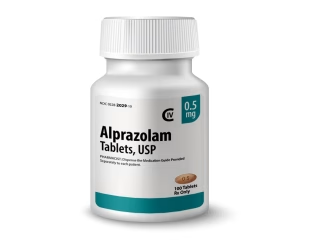 Buy Alprazolam Online
 -
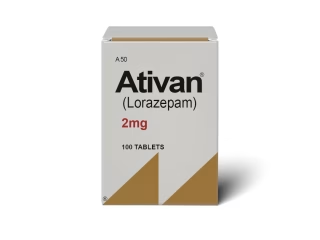 Buy Ativan Online
 -
 Buy Belbien Online
 -
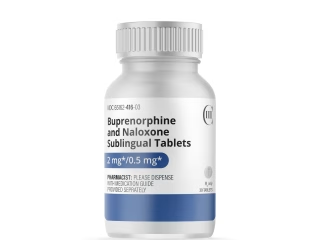 Buy Buprenorphine Online
 -
 Buy Butalbital Online
 -
 Buy Cialis Online
 -
 Buy Claritin Online
 -
 Buy Clonazepam Online
 -
 Buy Codeine Online
 -
 Buy Concerta Online
 -
 Buy Diazepam Online
 -
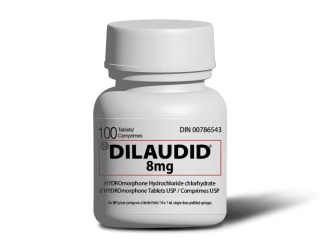 Buy Dilaudid Online
 -
 Buy Farmapram Online
 -
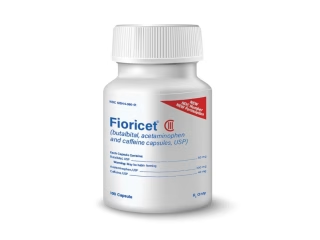 Buy Fioricet Online
 -
 Buy Gabapentin Online
 -
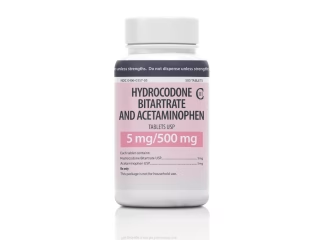 Buy Hydrocodone Online
 -
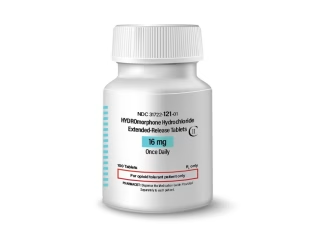 Buy Hydromorphone Online
 -
 Buy Klonopin Online
 -
 Buy Ksalol Online
 -
 Buy Levitra Online
 -
 Buy Lorazepam Online
 -
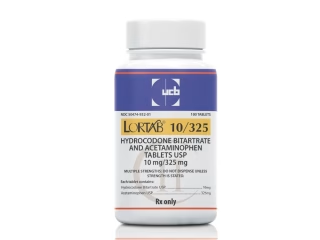 Buy Lortab Online
 -
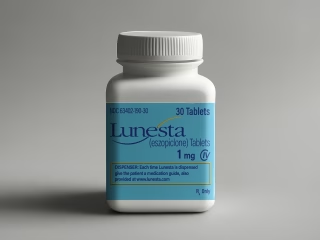 Buy Lunesta Online
 -
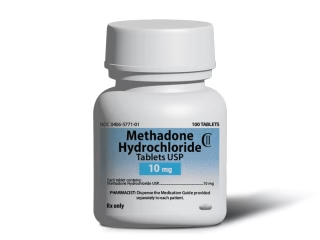 Buy Methadone Online
 -
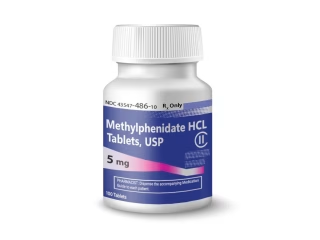 Buy Methylphenidate Online
 -
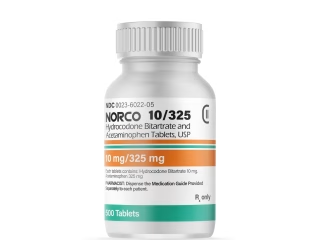 Buy Norco Online
 -
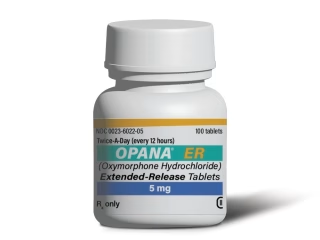 Buy Opana ER Online
 -
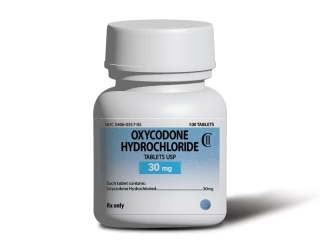 Buy Oxycodone Online
 -
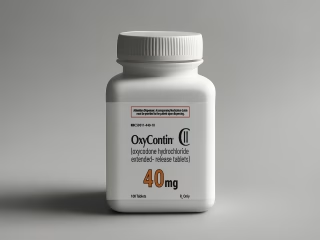 Buy Oxycontin Online
 -
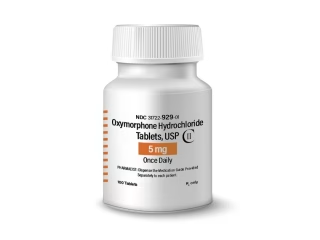 Buy Oxymorphone Online
 -
 Buy Percocet Online
 -
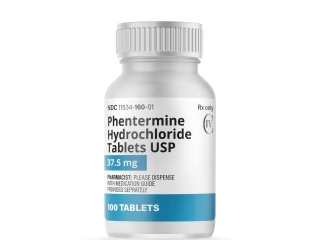 Buy Phentermine Online
 -
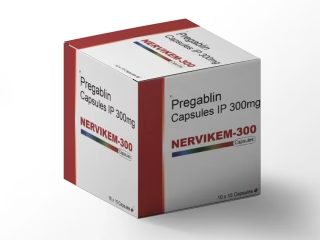 Buy Pregabalin Online
 -
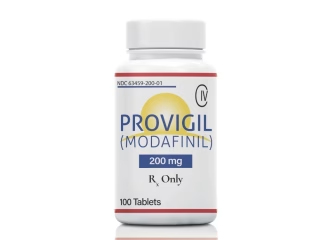 Buy Provigil Online
 -
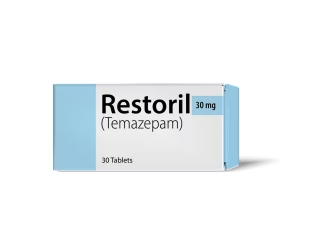 Buy Restoril Online
 -
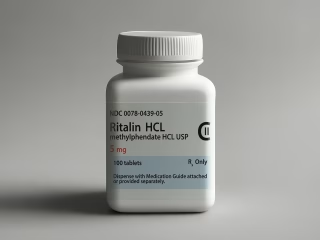 Buy Ritalin Online
 -
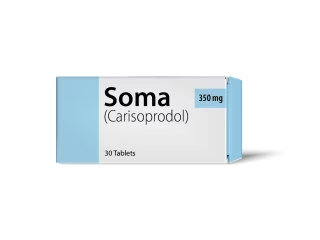 Buy Soma Online
 -
 Buy Suboxone Online
 -
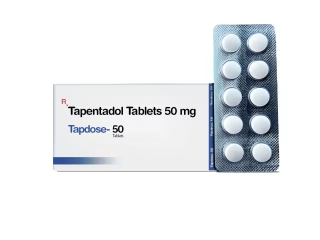 Buy Tapentadol Online
 -
 Buy Tramadol Online
 -
 Buy Valium Online
 -
 Buy Viagra Online
 -
 Buy Vicodin Online
 -
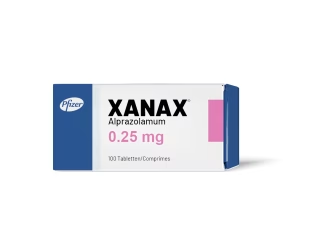 Buy Xanax Online
 -
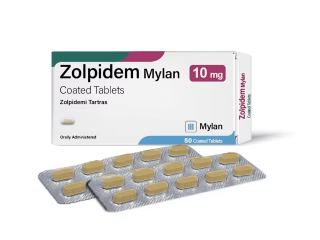 Buy Zolpidem Online