FDA Compliance
To safeguard public health and trust, the US Food and Drug Administration (FDA) creates strict guidelines for the creation, production, and sharing of pharmaceutical products. These rules, which are based on Current Good Manufacturing Practices (cGMP), impact pharmaceutical operations and promote how crucial supply chain compliance is in the fast changing medical industry. We at Adderallbuy are aware of how important FDA rules are to pharmacies.
The Importance of FDA Regulations in Pharmaceuticals
FDA rules, including cGMP requirements, establish safety and quality standards for pharmaceutical products. To guarantee that medications have the right ingredients, retain their potency, and are free of impurities, these guidelines specify minimum production procedures, facility requirements, and quality control procedures. Patient safety and the marketability of legal products are impacted by non-negotiable compliance. The FDA enforces rules governing electronic records and signatures in the production of medications, such as 21 CFR Part 11. Allegiance, audit logs, and licensed, safe software systems are the hallmark of these guidelines. Production restrictions, product withdrawals, or terminations could be due to unmatched expectations.
How Pharmaceutical Operations Are Monitored By The FDA
The FDA is involved at every stage of a pharmaceutical product’s lifespan, from development to them reaching the market. To guarantee uniformity and quality, the FDA checks every phase of medicine production, from the purchase of raw materials to the final packaging. Additionally, it does software validation to confirm data integrity, security, and access control systems that have an impact on drug manufacture. For patients and healthcare professionals, accurate labelling and packaging are essential. A medication or medical device must be approved by the FDA and have thorough compliance documentation before it may be sold. Significant setbacks, including warnings, delayed approvals, and restricted market access, can arise from noncompliance with FDA standards, ultimately affecting patients’ access to vital treatments.
Addressing FDA Compliance through Compliance Strategies
Pharmaceutical companies depend on strong validation and compliance services to meet FDA regulations. These services focus on Risk Management, Quality Assurance, and Third Party Expertise.
FDA Compliance
By ensuring that software systems fulfill legal requirements and function dependably, validation testing assists in managing risks related to software systems. Comprehensive testing and documentation serve as evidence of quality assurance, and third-party knowledge improves operational effectiveness and regulatory credibility. These initiatives optimize productivity, lower risks, and maximize the return of infrastructure and technology expenditures in addition to guaranteeing compliance.
The Importance of Supply Chain Compliance
To improve a robust supply chain for pharmaceutical operations, the FDA has implemented new tactics. These consist of market access, quality control, and traceability and documentation. Strong monitoring systems allow businesses to keep an eye on every stage of the supply chain, facilitating prompt problem-solving. Following FDA regulations guarantees that goods are produced in accordance with exact specifications and are free of contamination. To prevent financial and legal consequences, compliance is crucial. The FDA’s emphasis on adaptation and resilience in an increasingly complicated global supply chain is reflected in these regulations.
How Adderallbuy Supports Pharmaceutical Compliance
With an emphasis on supply chain strategies, risk management, and compliance frameworks, Adderallbuy offers medicine-related tailored solutions to help them overcome FDA rules.
Risk Assessments: Finding weak points in supply chain and production procedures to guarantee adherence to international and FDA guidelines.
Regulatory Support: Helping to fulfill FDA and European Medicines Agency (EMA) regulations through submissions and compliance paperwork.
Supplier Management: Assisting businesses in creating resilient, diverse supplier networks to reduce interruptions and guarantee steady product availability.
Our customers can streamline compliance efforts, lower operational risks, and keep a competitive edge when it comes to buying medicines from us by collaborating with us.
Key Areas of FDA Regulation
Understanding the many facets of compliance is essential to navigating FDA requirements. Pharmaceutical companies need to concentrate on the following important areas:
- Drug Development and Approval: New drug development, testing, and approval are all governed by the FDA. The submission of a New Drug Application or Biologics License Application is a must, along with stringent clinical studies and quality control procedures.
- Quality Control and Manufacturing: To guarantee the constant quality and safety of their goods, pharmaceutical companies must follow Current Good Manufacturing Practices (cGMP). This covers appropriate testing, storage, and documentation practices.
- Labeling and Packaging: Pharmaceutical and medical device labeling and packaging are likewise subject to FDA restrictions. Companies are required to give customers and medical professionals accurate information, including dose guidelines, cautions, and contraindications.
- Advertising and Promotion: FDA standards must be followed in pharmaceutical and medical marketing materials and advertising campaigns.
- Post-Market Surveillance: Pharmaceutical companies might find it difficult to commit the resources required to attain and sustain compliance, which could put them in danger.
Best Practices for Navigating FDA Regulations
- Establish a Compliance Team: Establish a special department or team for compliance within your pharmacy. Experts who are knowledgeable about FDA laws and capable of supervising compliance initiatives should make up this team.
- Stay Informed: Establish a special department or team for compliance with your pharmacy. Experts who are knowledgeable about FDA laws and are capable of supervising compliance initiatives should make up this team.
- Establish Sturdy Quality Systems: Make an investment in cGMP-compliant quality management systems (QMS). Every facet of product development and manufacturing should be covered by these systems.
- Training and Education: Make certain that every employee is trained on FDA rules that are pertinent to the pharmacy.
- Documentation and Record-Keeping: Keep thorough records of every step of the process, from post-market monitoring to product development.
- Audit and Self-Assessment: To find and close possible compliance gaps before they become serious problems, conduct routine internal audits, and self-evaluations.
- Collaborate with Regulatory Experts: Think about collaborating with regulatory consultants or specialists who can help with regulatory submission and offer advice on compliance issues.
- Adopt Technology Solutions: Make use of tools and technologies that are intended to manage data, expedite reporting, and streamline compliance processes.
- Risk Management: Create an entire risk management plan that incorporates risk assessment, mitigation, and backup plans.
- Engage with the FDA: Keep the channels of communication open with the FDA. Seek advice when necessary and aggressively respond to any queries or concerns regarding compliance.
Conclusion
For pharmacies, adherence to FDA standards is an absolute must. Although the regulatory environment may appear complicated and difficult, it is crucial for safeguarding the public’s health as well as your pharmacy’s prosperity and longevity. Pharmacies can successfully negotiate the regulatory environment by comprehending the main facets of FDA regulation, identifying typical compliance issues, and putting best practices into practice. Pharmacies that are committed to compliance can not only fulfill FDA regulations but also prosper in a section that prioritizes patient care and innovation.
Product Category
-
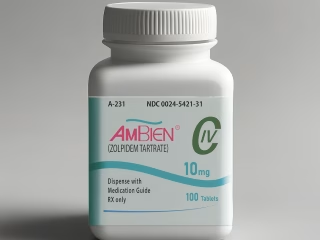 Buy Ambien Online
 -
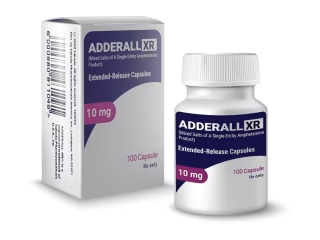 Buy Adderall Online
 -
 Buy Adipex Online
 -
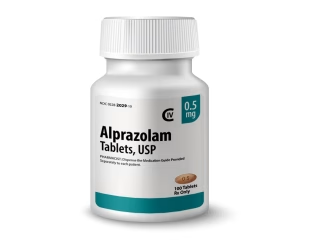 Buy Alprazolam Online
 -
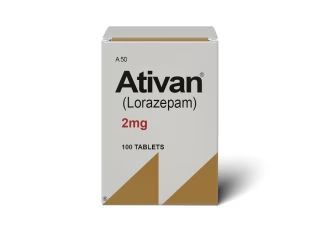 Buy Ativan Online
 -
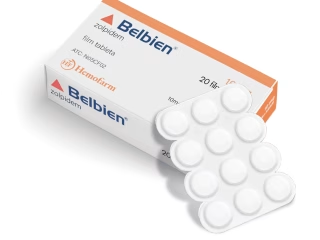 Buy Belbien Online
 -
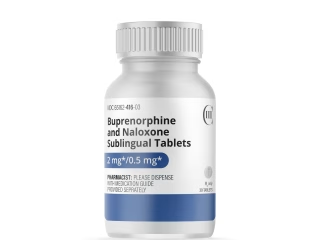 Buy Buprenorphine Online
 -
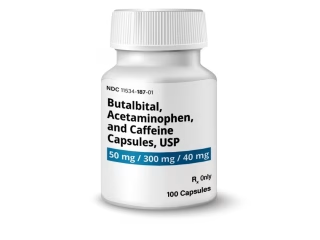 Buy Butalbital Online
 -
 Buy Cialis Online
 -
 Buy Claritin Online
 -
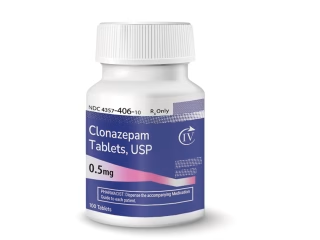 Buy Clonazepam Online
 -
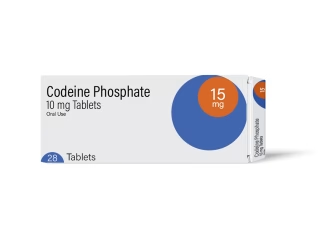 Buy Codeine Online
 -
 Buy Concerta Online
 -
 Buy Diazepam Online
 -
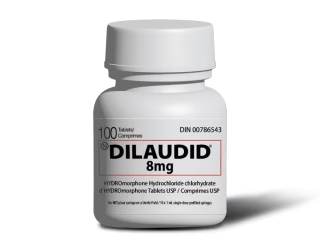 Buy Dilaudid Online
 -
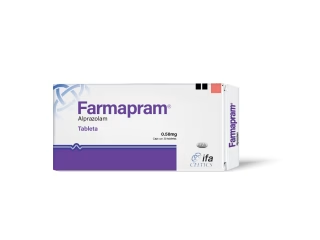 Buy Farmapram Online
 -
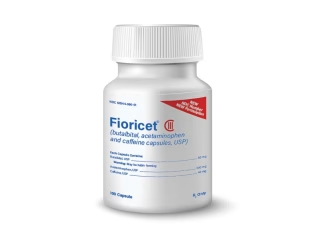 Buy Fioricet Online
 -
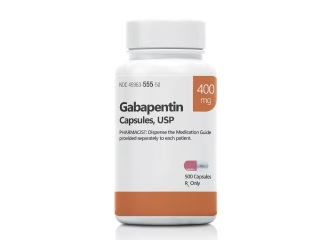 Buy Gabapentin Online
 -
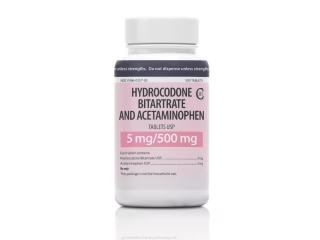 Buy Hydrocodone Online
 -
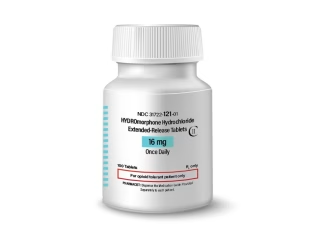 Buy Hydromorphone Online
 -
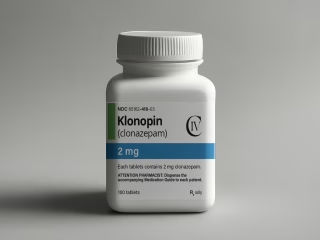 Buy Klonopin Online
 -
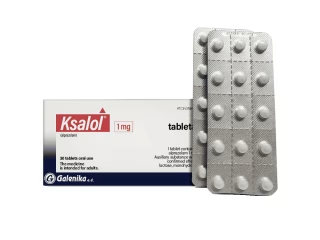 Buy Ksalol Online
 -
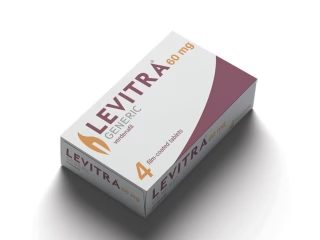 Buy Levitra Online
 -
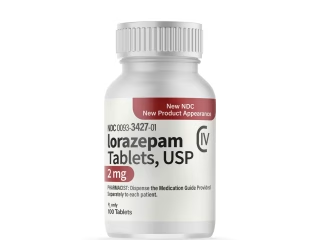 Buy Lorazepam Online
 -
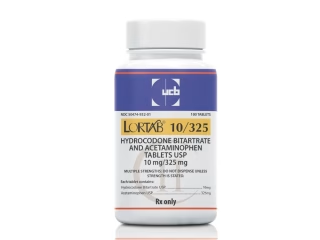 Buy Lortab Online
 -
 Buy Lunesta Online
 -
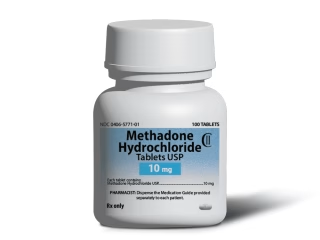 Buy Methadone Online
 -
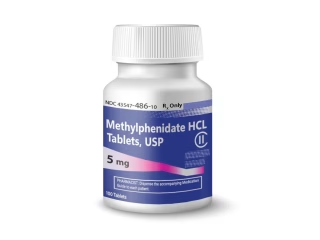 Buy Methylphenidate Online
 -
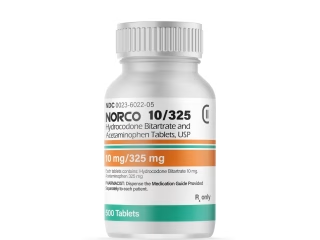 Buy Norco Online
 -
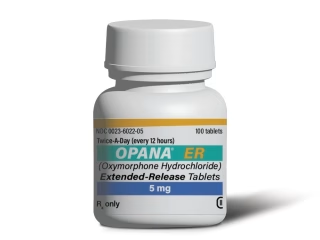 Buy Opana ER Online
 -
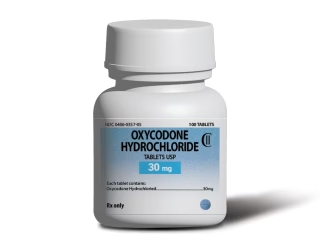 Buy Oxycodone Online
 -
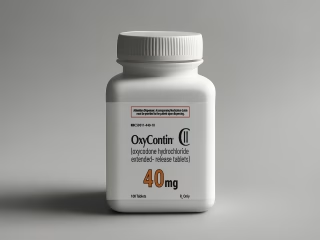 Buy Oxycontin Online
 -
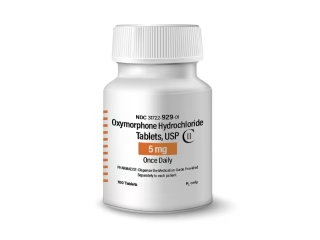 Buy Oxymorphone Online
 -
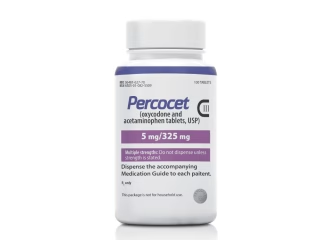 Buy Percocet Online
 -
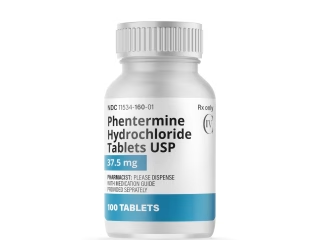 Buy Phentermine Online
 -
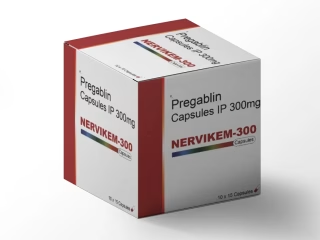 Buy Pregabalin Online
 -
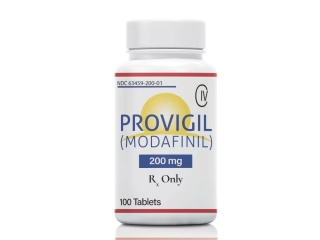 Buy Provigil Online
 -
 Buy Restoril Online
 -
 Buy Ritalin Online
 -
 Buy Soma Online
 -
 Buy Suboxone Online
 -
 Buy Tapentadol Online
 -
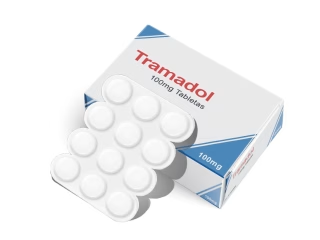 Buy Tramadol Online
 -
 Buy Valium Online
 -
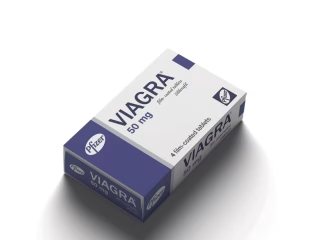 Buy Viagra Online
 -
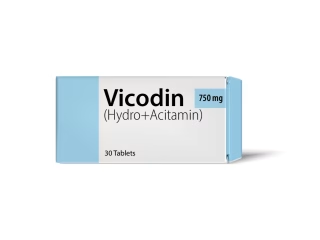 Buy Vicodin Online
 -
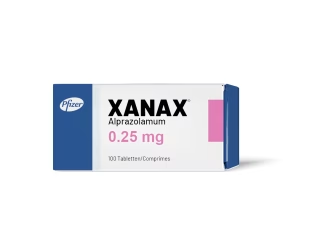 Buy Xanax Online
 -
 Buy Zolpidem Online