
Drug Safety Information
Recognizing Prescription Stimulant Drug Safety Information
Strong pharmaceutical drugs known as prescription stimulants, such as amphetamine-dextroamphetamine combos, are frequently used to treat ailments like narcolepsy and attention-deficit hyperactivity disorder (ADHD). When administered properly under therapeutic supervision, these drugs can significantly improve focus, attentiveness, and day-to-day functioning. They also carry particular safety concerns that patients, caregivers, and medical professionals must be fully aware of.
What Is Covered By Drug Safety Information?
When drug safety information is offered for any prescription drug, whether in a pharmacy, clinical environment, or educational resource, it usually contains recommendation regarding:
Permitted medical use and suitable indications
Regulatory agencies have authorized stimulant drugs to treat certain disorders like narcolepsy and ADHD. They help control symptoms that affect wakefulness, impulsivity, and attention by changing the chemistry of the brain.
How to properly take the drug
Instructions regarding dosage timing, and administration are part of safe use. To lessen adverse effects like sleep disturbance, for instance, many stimulant drugs are taken once in the morning or in divided dosages throughout the day. Important aspects of appropriate use include swallowing tablets whole and according to a licensed healthcare provider’s dosage recommendations.
Cautions and warnings
These drugs have the potential to be abused and may become addictive. Safety literature frequently emphasizes that sharing medication with others is dangerous and prohibited, and that it should only be used by the individual to whom it is given. Comprehensive warnings are given to help patients and physicians make educated decisions since they can have major negative effects on those with specific heart diseases, mental health issues, or a history of substance misuse.
Negative responses and side effects
A variety of potential adverse effects are usually listed in drug safety information. Restlessness, sleeplessness, appetite loss, headaches, and mood swings are common side effects. To help individuals know when to seek medical assistance, less common but serious side effects are also highlighted, such as elevated heart rate, changes in blood pressure, or severe psychological impacts.
Relationships with other drugs
Drugs may interact with alcohol, herbal supplements, or other medications, changing their efficacy or raising their risk. Users and physicians can use this portion of safety information to identify combinations that need to be monitored or avoided.
Use in particular populations
Children, the elderly, and those with specific medical conditions should exercise extra caution when using certain drugs. For instance, based on clinical data, regulatory bodies have revised the labeling of extended-release stimulant medications to reflect particular risk profiles in younger children.
The Significance of Safety Information
Information about drug safety is available to encourage responsible, knowledgeable medication use. This data, which is intended to weigh a drug’s potential hazards against its therapeutic advantages, is derived from post-marketing surveillance, regulatory guidelines, and clinical research.
Helps patients comprehend their treatment: Having clear safety information gives people the ability to grasp what to anticipate from their medication and when to get in touch with their doctor.
Promotes proper supervision: Physicians and pharmacists use safety data to customize treatment regimens, keep an eye out for side effects, and modify dosage as needed.
Minimizes harm from abuse: Abuse of stimulant drugs, such as taking larger dosages than recommended or using them without a doctor’s supervision, can result in dependence, cardiovascular risks, or other major consequences.
Safe Procedures for Prescription Drugs
Some guidelines help guarantee safety whether getting prescription drugs from a nearby drugstore or a reputable mail-order service.
Use a legitimate prescription at all times: Prescription stimulants are restricted medications that must meet certain medical and legal standards. Only those with a clinical diagnosis that justifies their use should be given them.
Confirm the medication’s origin: Licensed pharmacies or medical professionals should be the sources of medications. To help discover reputable pharmacies and steer clear of unreliable or dangerous dealers, regulatory bodies offer resources and verification methods.
Consult with medical experts: To ensure the medication is timely, effective, and safe for the patient’s condition. Continuous evaluations can help detect adverse effects early.
Report negative incidents: Through official programs, many regulatory bodies encourage the reporting of unanticipated side effects or safety concerns. When necessary, this can result in updated recommendations and aid in monitoring drug safety in real-world use.
The Dangerous Duo: Medication and Alcohol
Alcohol use during therapy is one of the biggest safety hazards. Alcohol serves as a hazardous catalyst for many of the drugs we offer.
Respiratory Risk: Alcohol depresses the central nervous system, as do many painkillers and anxiety drugs.
Altered Absorption: Alcohol can hasten the breakdown of extended-release tablets’ protective coating. This can be lethal because it pumps a full day’s worth of medication into your body in a matter of minutes.
The Hidden Alcohol: Many over-the-counter cough syrups and overnight cold remedies contain alcohol, which might cause harmful interactions. Always read the labels.
Identifying and Reporting Adverse Reactions
Each body responds to drugs in a unique way. Even though side effects are frequently moderate and transient, safety requires understanding when a “side effect” turns into “warning sign.”
Common vs. Serious: It’s common to have modest drowsiness when taking a pain medication or a little jitteriness after beginning a stimulant. However, get medical help right away if you have breathing problems, chest pain, or abrupt changes in eyesight (such seeing “stars” or flashes).
The Pharmacist Connection: Our pharmacists can assist you in differentiating between a reaction that calls for a dosage adjustment and a typical adjustment period. A relapse of your condition or withdrawal symptoms may result from stopping a medicine “cold turkey” without first consulting a doctor.
Conclusion
With the assistance of medical specialists, drug safety information provides a thorough understanding of potential hazards, how a medication should be taken, and how to make well-informed decisions. This article highlights the importance of proper medical supervision, following dosage regulations, and being aware of possible side effects and interactions when it comes to stimulant medications that are frequently recommended for ADHD and associated diseases. Patients can better control their therapy and contribute to favorable health outcomes by putting safety principles first and seeking advice from licensed physicians and pharmacists.
Product Category
-
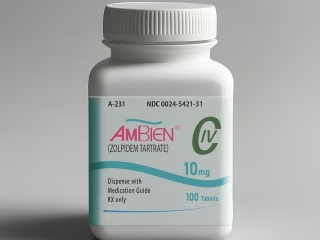 Buy Ambien Online
 -
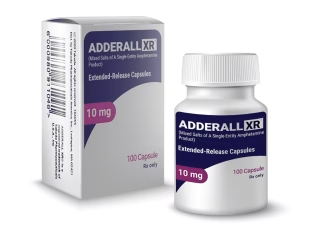 Buy Adderall Online
 -
 Buy Adipex Online
 -
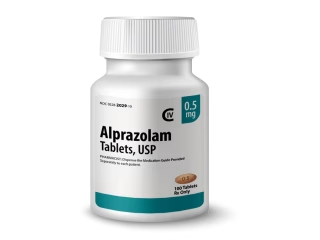 Buy Alprazolam Online
 -
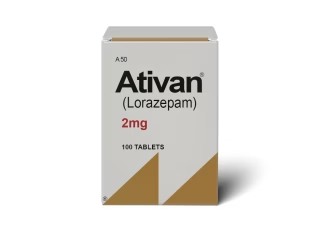 Buy Ativan Online
 -
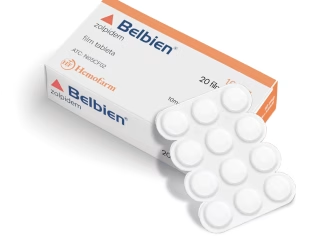 Buy Belbien Online
 -
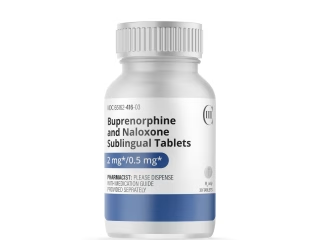 Buy Buprenorphine Online
 -
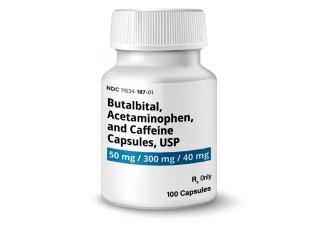 Buy Butalbital Online
 -
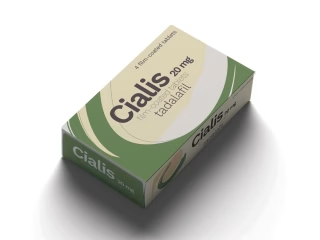 Buy Cialis Online
 -
 Buy Claritin Online
 -
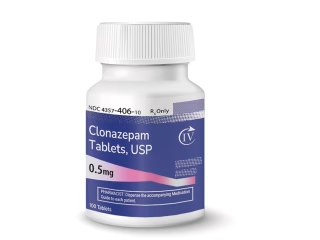 Buy Clonazepam Online
 -
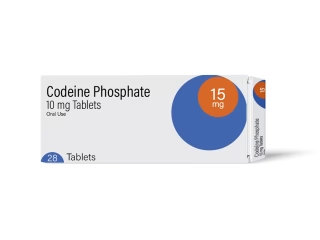 Buy Codeine Online
 -
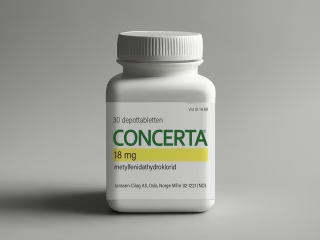 Buy Concerta Online
 -
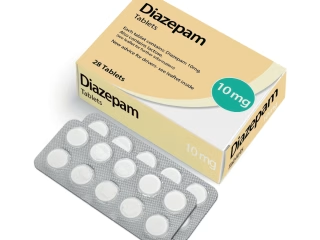 Buy Diazepam Online
 -
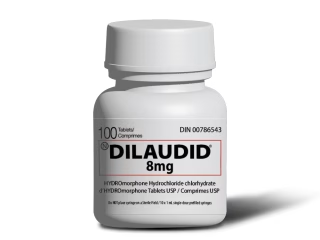 Buy Dilaudid Online
 -
 Buy Farmapram Online
 -
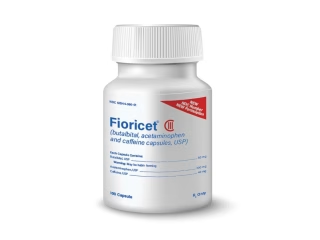 Buy Fioricet Online
 -
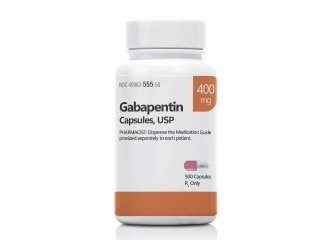 Buy Gabapentin Online
 -
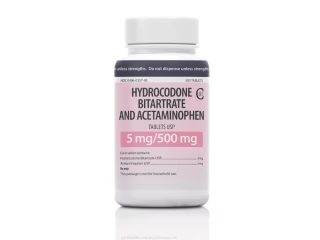 Buy Hydrocodone Online
 -
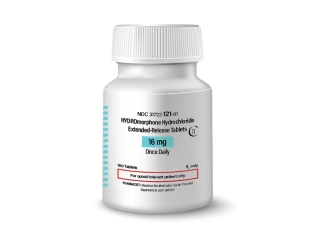 Buy Hydromorphone Online
 -
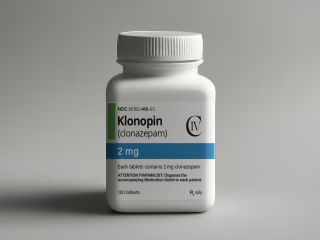 Buy Klonopin Online
 -
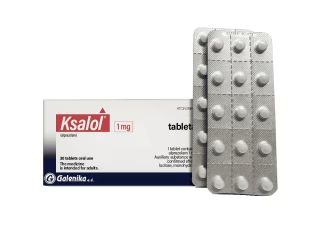 Buy Ksalol Online
 -
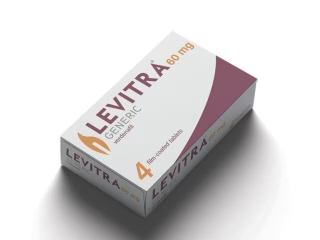 Buy Levitra Online
 -
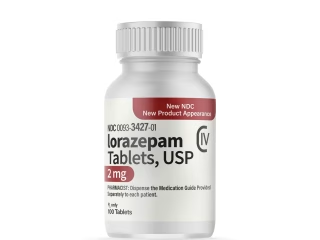 Buy Lorazepam Online
 -
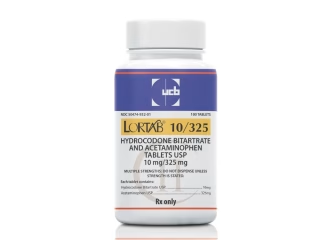 Buy Lortab Online
 -
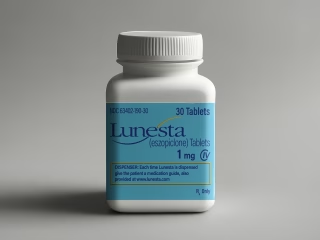 Buy Lunesta Online
 -
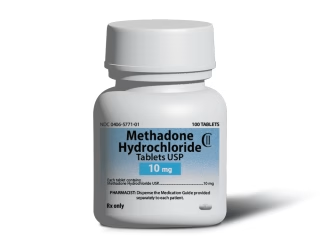 Buy Methadone Online
 -
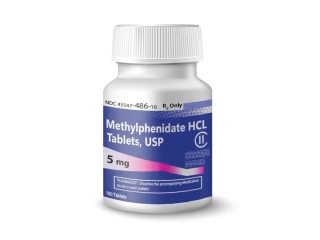 Buy Methylphenidate Online
 -
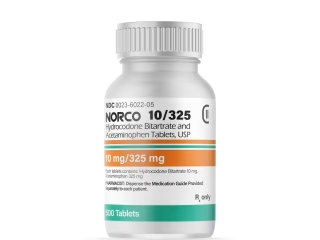 Buy Norco Online
 -
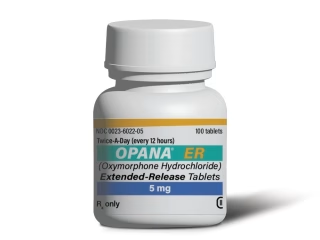 Buy Opana ER Online
 -
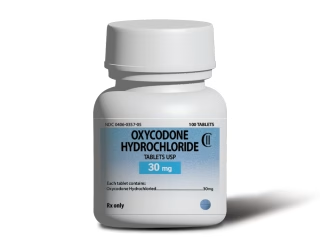 Buy Oxycodone Online
 -
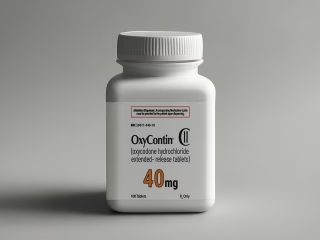 Buy Oxycontin Online
 -
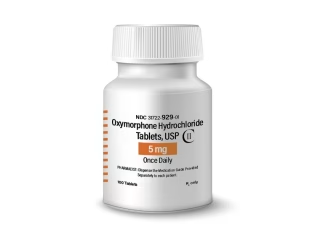 Buy Oxymorphone Online
 -
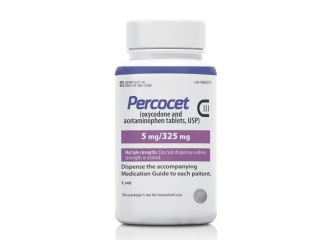 Buy Percocet Online
 -
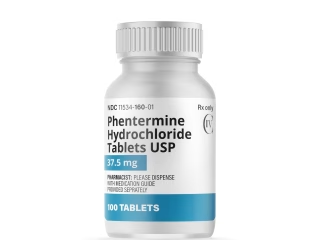 Buy Phentermine Online
 -
 Buy Pregabalin Online
 -
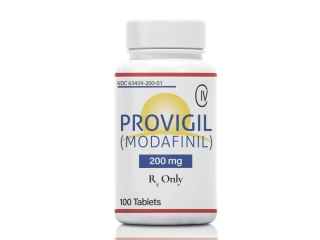 Buy Provigil Online
 -
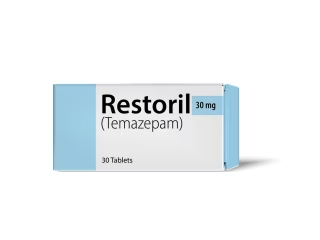 Buy Restoril Online
 -
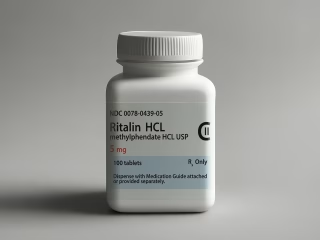 Buy Ritalin Online
 -
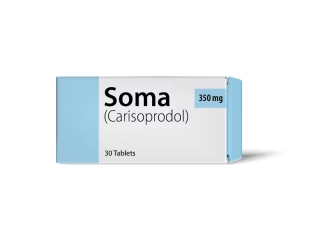 Buy Soma Online
 -
 Buy Suboxone Online
 -
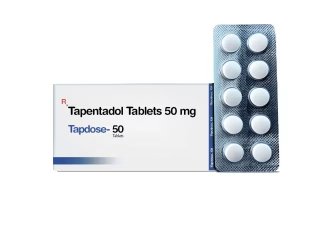 Buy Tapentadol Online
 -
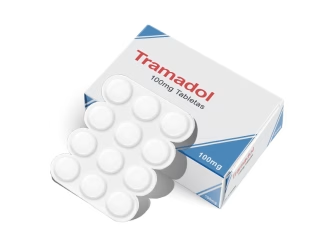 Buy Tramadol Online
 -
 Buy Valium Online
 -
 Buy Viagra Online
 -
 Buy Vicodin Online
 -
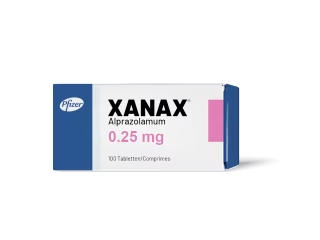 Buy Xanax Online
 -
 Buy Zolpidem Online